Watercolor Paint Brush, Brush Strokes Review
As a designer who spends hours translating digital art into stitched reality, I approach every new asset with a mix of excitement and skepticism. When Watercolor Paint Brush, Brush Strokes landed on my desk, I didn't just see a collection of graphics; I saw a potential workflow savior for clients who want that soft, artistic look without the technical headache of complex digitizing. This review isn't about the marketing fluff; it is about how this specific set of design assets performs when moved from the screen to the hoop.
The first impression of Watercolor Paint Brush, Brush Strokes is one of fluidity. Unlike rigid geometric patterns or sharp vector lines that often translate poorly into thread, these brush strokes mimic the organic imperfection of real paint. The visual personality is loose and expressive, creating a mood that feels handmade and approachable rather than corporate and stiff. For an embroidery project, this translates to a piece that invites touch. It suggests a story behind the object, whether it is a custom tote bag for a local artist or a personalized gift for a new parent.
From Digital File to Finished Product
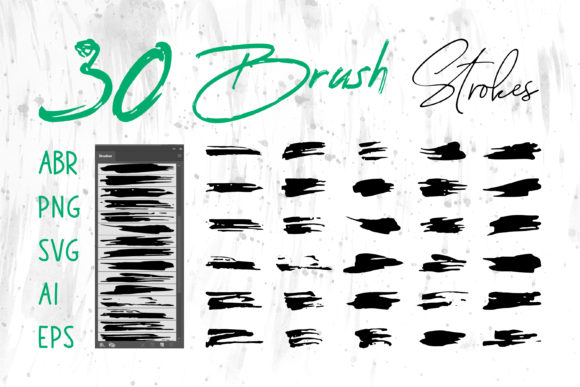
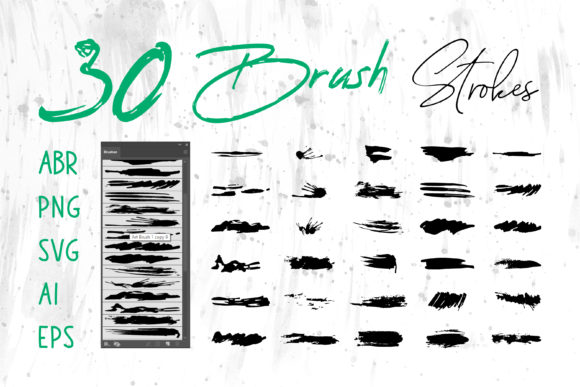
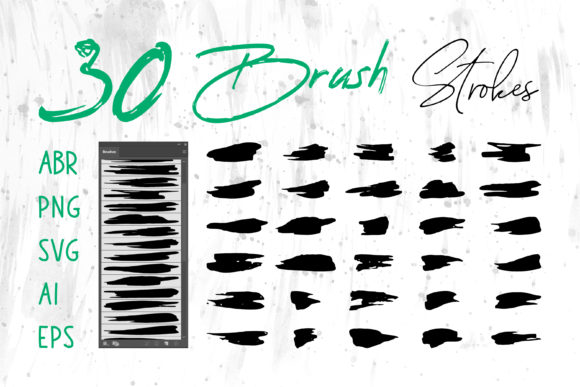
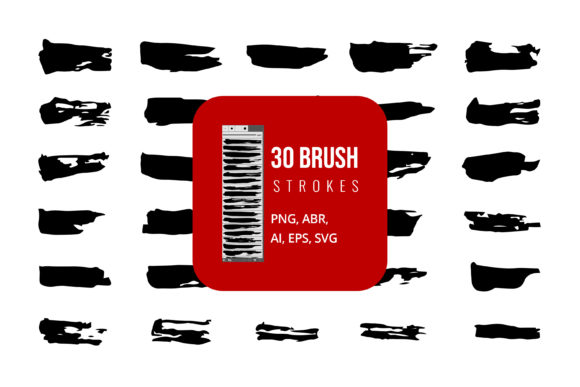
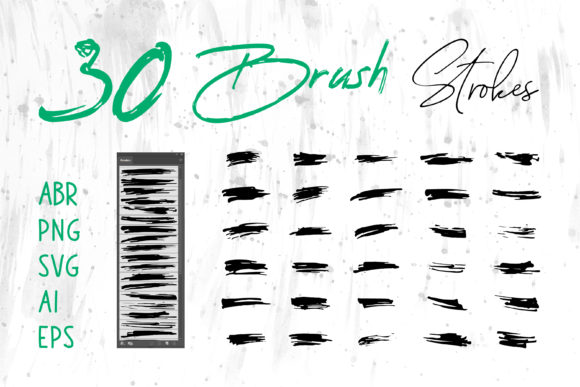
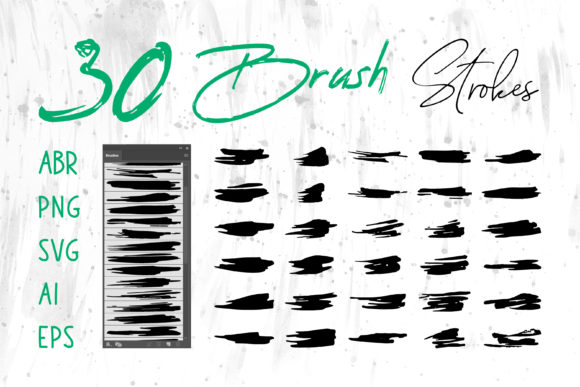
The product description highlights a massive advantage: versatility. You receive files in ABR, ProCreate, PNG, SVG, AI, and EPS formats. In my experience as an Etsy seller, having these multiple formats is crucial because not every client works in the same software suite. However, the real test lies in how these graphics function as a machine embroidery design.
I recently used a variation of this concept for a boutique order involving embroidered aprons for a local coffee shop. The owner wanted something that looked like a quick sketch but needed to hold up to daily washing. While Watercolor Paint Brush, Brush Strokes is technically categorized under Graphics and Brushes, its application here was transformative. By converting the brush strokes into stitch paths, we achieved a look that mimicked watercolor washes using satin stitches and fill stitches.
The beauty of this asset is its ability to break up solid blocks of color. In traditional embroidery, large areas can sometimes look heavy or plastic-like. These strokes allow you to create texture within the design itself. Imagine applying this to a sweatshirt embroidery project for a holiday gift. Instead of a solid block of red stitching, you get the illusion of a brush dragging across the fabric. It adds a layer of sophistication that elevates the perceived value of the finished product, making it feel less like a mass-produced item and more like a bespoke creation.
Real-World Application Scenarios
When evaluating where this design belongs, I look at the context of the end user. Watercolor Paint Brush, Brush Strokes fits perfectly into projects that require a soft aesthetic. It is ideal for baby embroidery on onesies or nursery decor, where harsh lines might feel too aggressive. The gentle flow of the strokes creates a calming visual effect that parents appreciate.
For craft business owners, this is a goldmine for custom apparel. Think about a line of embroidered patches or cap designs. A simple cap brim can be transformed by adding a subtle watercolor splash near the logo. It adds a modern edge to a classic silhouette. Similarly, for tea towels or pillow covers, these brush strokes can serve as decorative accents that frame text or logos without overpowering them.
However, success depends on execution. If you are selling digital embroidery files or offering services to commercial clients, consistency is key. The strokes must be reproducible across different machines. Because this product offers various formats, you have the flexibility to test which version yields the cleanest results on your specific equipment. Whether you are preparing mockups for an Etsy listing or creating printable previews for a boutique brand, having the high-resolution PNGs allows you to visualize the final outcome before a single stitch is placed.
Navigating Technical Challenges
Let's be realistic: not every design works everywhere. Watercolor Paint Brush, Brush Strokes has a delicate nature that requires careful handling during the digitizing process. There are specific scenarios where this design should be used with caution.
First, consider the hoop size. If you attempt to use these intricate brush strokes in a very small hoop, such as those used for tiny lettering or detailed corners on a hat, the details may get lost or merge together. The fine lines of the strokes might not separate cleanly if the stitch density is too high. Always check the file dimensions and ensure they match your intended project scale.
Fabric choice is equally critical. Textured fabrics, thin materials, or stretchy knits can distort these soft edges. On a dark fabric, the contrast might be insufficient unless you select the right thread colors. Conversely, on a white background, the strokes need enough density to stand out against the weave. I strongly advise testing the design on scrap fabric first to see how the stabilizer interacts with the material. Using the proper stabilizer is non-negotiable for maintaining the integrity of the brush stroke shapes.
Another area of concern is durability. Products that undergo frequent washing, like kitchen towels or work aprons, need robust stitching. If the brush strokes rely heavily on running stitches or very sparse fill, they might fray over time. For long-term wear, you may need to adjust the digitization settings to increase the stitch density slightly while preserving the artistic look. Also, avoid placing these designs on curved surfaces like caps unless you have advanced skills in 3D digitizing, as the perspective distortion can ruin the flow of the paint strokes.
Designer Notes for Maximum Impact
To get the most out of Watercolor Paint Brush, Brush Strokes, treat it as a foundational element rather than a standalone solution. Here are practical steps I recommend before launching into production:
- Test on Scrap Fabric: Never assume the design will look good until you see it stitched. Run a sample on the actual fabric you plan to use to check for puckering or thread breaks.
- Review Stitch Density: Ensure the fill stitch coverage is adequate. Too little density looks cheap; too much makes the fabric stiff. Aim for a balance that mimics the transparency of watercolor.
- Check Color Contrast: Use black and white mockups to verify that the design holds its shape without relying on color alone. This ensures clarity even if the thread choice changes.
- Confirm Licensing: Before selling finished items or distributing the digital assets, double-check the license terms. Some brushes are for personal use only, while others allow commercial distribution. Clarity here protects your craft business from legal issues.
- Inspect Small Details: Zoom in on the vector files to ensure no stray anchor points exist that could cause machine errors.
Ultimately, Watercolor Paint Brush, Brush Strokes is a powerful tool for designers looking to add a human touch to their embroidery projects. It bridges the gap between digital art and tactile craftsmanship, allowing creators to produce goods that feel authentic and curated. Whether you are a hobbyist making gifts or a small shop owner expanding your inventory, this asset provides the visual language needed to stand out in a crowded market.
By understanding its strengths and respecting its limitations, you can transform a simple graphic into a premium handmade product that customers love. The key is patience, testing, and a willingness to adapt the design to the unique constraints of each project. When done right, the result is not just an embroidered item, but a piece of art that tells a story through thread.