Kawaii Breakfast Clipart: A Designer's Review for Real Embroidery
As an embroidery designer who has spent years turning digital graphics into stitched reality, I approach every new asset with a mix of excitement and skepticism. There is nothing worse than falling in love with a Kawaii Breakfast Clipart design on the screen only to find it falls apart under the needle or looks muddy on fabric. Today, I am evaluating this specific collection not just as a set of images, but as potential components for high-end handmade products, custom apparel, and commercial merchandise.
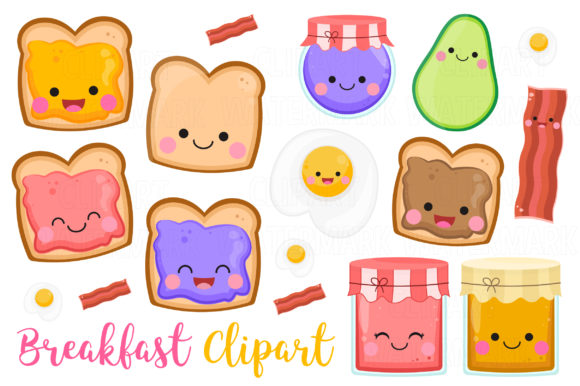
The first impression of Kawaii Breakfast Clipart is undeniably warm and inviting. The aesthetic leans heavily into the "cute" factor, featuring familiar morning staples like toast, bacon, eggs, jam, and avocado rendered in soft, rounded shapes. For a crafter looking to build a brand around comfort food, cozy mornings, or nursery decor, this visual personality is a strong match. It creates an immediate mood of joy and relaxation that translates well to gift items. However, the transition from a high-resolution PNG to a physical embroidered piece requires careful planning, especially regarding detail density and stitch types.
From Screen to Stitch: The Real-World Scenario
Let me walk you through a real-life scenario where I tested these assets. I was preparing a custom order for a local boutique owner who wanted a line of aprons and kitchen towels specifically targeting young parents and home cooks. She needed something that felt modern but approachable, avoiding the overly complex or traditional motifs often found in embroidery libraries. She requested designs that could be easily recognized even when stitched small on a chest pocket or centered on a tea towel.
I selected the Kawaii Breakfast Clipart elements to create a composite design featuring a slice of toast with a pat of butter and a fried egg. My goal was to produce a finished product that would stand out on Etsy listings and look professional at craft fairs. The challenge here was ensuring that the fine lines of the jam jar and the texture of the avocado slices remained clear after stitching. If the details were too intricate, they would disappear in the thread, leaving a blobby mess that would disappoint the customer. This is where practical judgment comes into play before you even hit the start button on your machine.
Performance on Various Fabrics and Products
When considering where Kawaii Breakfast Clipart fits best, the versatility is impressive. The rounded, simple shapes of the toast and eggs are forgiving on textured fabrics like cotton canvas or flannel, which are common for tote bags and baby clothes. On a sweatshirt or hoodie, these graphics work exceptionally well because the knit fabric provides a stable background that allows the satin stitches to pop without puckering.
For small business owners and Etsy sellers, this design is particularly valuable for creating cohesive product lines. Imagine a matching set of a baby onesie featuring a tiny avocado and a bib with a smiling piece of bacon. The consistency in style builds brand recognition, making your shop feel curated and professional. Similarly, for holiday gifts, a pillow cover embroidered with a cheerful breakfast spread can serve as a unique, personalized item that stands out against generic store-bought options.
However, the application depends heavily on the type of stitch used. The smooth curves of the jam and the fill areas of the bread are perfect candidates for fill stitch, which gives the design a plush, substantial feel. The outlines might require a tight satin stitch to define the edges clearly, while smaller accents like seeds on the toast could be rendered with a delicate running stitch. The key is balancing the density so the fabric does not become stiff or unwearable.
Navigating Technical Challenges
Not every project is a winner, and knowing where to use caution is just as important as knowing where to push forward. There are specific scenarios where Kawaii Breakfast Clipart might struggle if not adjusted properly. Small hoop sizes present a significant risk; if you try to fit a detailed avocado slice into a 4x4 inch area, the fine details may get lost or the thread count will become so dense that the fabric bunches up.
Textured fabrics like terry cloth or heavy denim can also pose issues. While the design might look great on a smooth cotton tee, the uneven surface of a bathrobe or a thick blanket can obscure the finer lines of the clipart. Furthermore, stretchy fabrics require extra care. Without the correct stabilizer, the tension of the machine embroidery design could distort the shape of the toast or cause the bacon strips to curl unnaturally. Dark fabrics are another consideration; unless you plan to use a high-density underlay or a contrasting thread color, the light colors typical of kawaii art might not show up vibrantly.
Curved surfaces like caps demand a specialized approach. While the design itself is flat, transferring it onto a curved brim requires precise digitizing adjustments. If the original file is just a static image, it may need to be re-digitized to account for the curvature, or else the perspective will look off once stitched. Additionally, products that need frequent washing, such as daily-use aprons or toddler clothing, should avoid overly intricate corners or tiny lettering that might snag or fray over time.
Impact on Brand Value and Customer Trust
In the world of handmade goods, the quality of the embroidery directly correlates to perceived value. A crisp, well-executed embroidery project using Kawaii Breakfast Clipart signals professionalism and attention to detail. Customers are willing to pay a premium for items that look polished and durable. Conversely, a sloppy execution can lead to returns and negative reviews, damaging your reputation as an Etsy seller or small shop product creator.
Visual appeal is paramount. When a customer sees a perfectly stitched avocado on a tote bag, it triggers an emotional response that connects them to the lifestyle the brand represents. This connection fosters trust and encourages repeat purchases. For commercial embroidery projects, the ability to reproduce this design consistently across multiple units is crucial for maintaining brand consistency. Whether you are creating personalized gifts or mass-producing custom apparel, the design must hold up under scrutiny.
Practical Designer Notes for Success
Before you commit to a full production run, there are several critical steps every designer should take. First, always test the design on scrap fabric that matches your final material. This allows you to see how the thread colors interact with the fabric texture and whether the stitch density causes any warping. Check the contrast between the thread and the background; sometimes a color that looks vibrant on a monitor appears dull on fabric.
Review the stitch density carefully. High-density areas can make the fabric stiff, which is undesirable for baby items or comfortable loungewear. Confirm your hoop size limitations and ensure the design fits comfortably within the working area without being cropped. Inspect small details like the seeds on the toast or the ripples in the jam; if they are too small, consider simplifying them for better clarity.
It is also wise to test the design in black and white mockups to check the silhouette and balance. Compare how it looks on both light and dark backgrounds to ensure versatility. Always use the proper stabilizer for the fabric type you are using to prevent shifting or distortion. Finally, verify whether the design works for both personal and commercial projects by checking the licensing terms provided with the digital embroidery file.
If you are selling finished items or digital products, confirm the license agreements explicitly. Do not assume that purchasing a graphics file grants you unlimited commercial rights. Ensure you have all the necessary permissions before listing your handmade product for sale. By taking these precautions, you protect your business and ensure that your finished product meets the high standards expected by discerning buyers.
Ultimately, Kawaii Breakfast Clipart offers a delightful opportunity to inject warmth and charm into your embroidery portfolio. With the right technical preparation and a keen eye for detail, these illustrations can transform from simple vector files into treasured keepsakes and profitable merchandise. Whether you are crafting a single embroidered patch or launching a full line of tote bag designs, the potential for creativity is vast.