Different Art Brushes: Unique Graphics for Handmade Creators
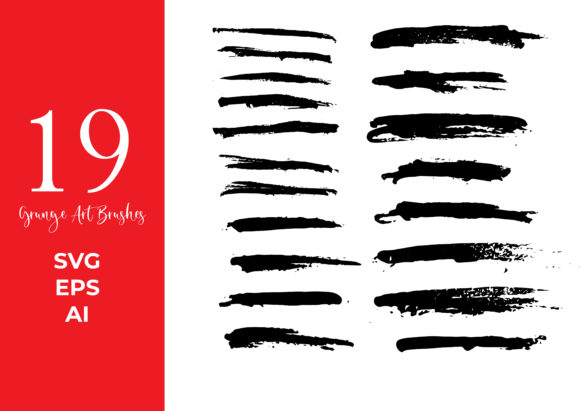
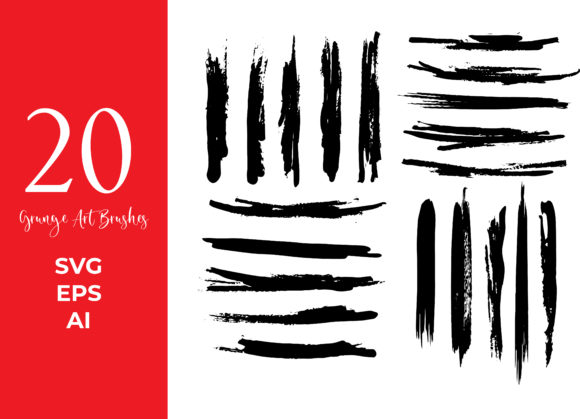
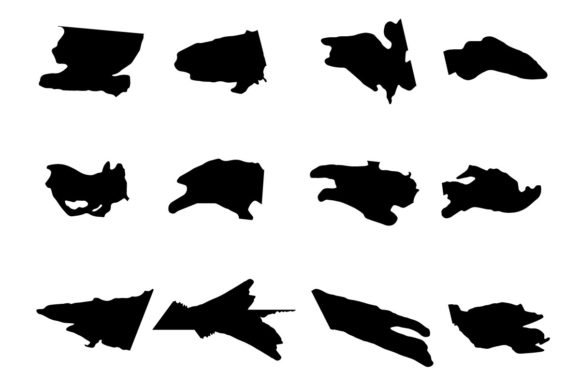
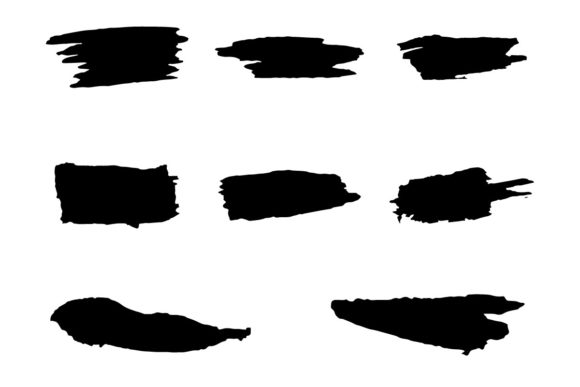
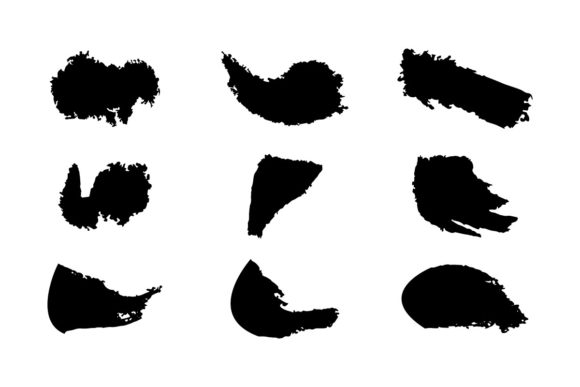
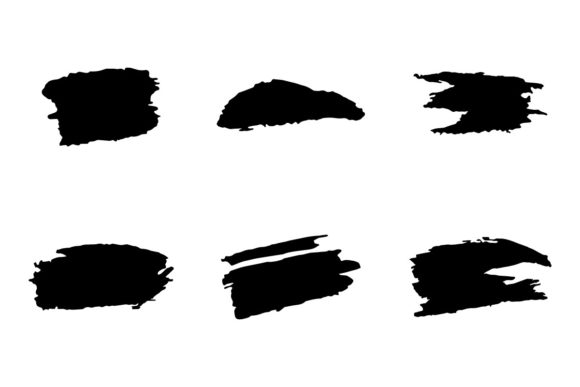
When I first opened the folder containing Different Art Brushes, I wasn't just looking at a collection of vector paths; I was visualizing my next Etsy shop launch. As someone who spends hours designing custom mugs, vinyl stickers, and tote bags for local craft fairs, I know that the right texture can make or break a product line. These art brushes are messy, inky, rough, textured, and glitchy, offering an exclusive feel that stands out against the sea of clean, corporate clipart often found on creative marketplaces.
The immediate mood these graphics create is one of raw creativity and artistic rebellion. They suggest a brand that is authentic, bold, and slightly imperfect in the most charming way possible. This style attracts buyers who appreciate handmade quality over mass-produced perfection. If your customer base loves rustic decor, bohemian fashion, or edgy streetwear, this design asset fits perfectly into their aesthetic. It feels playful yet premium, making it ideal for seasonal collections like Halloween decorations or winter holiday gift tags where you want to add a touch of chaotic charm.
Bringing Texture to Real Cricut and Silhouette Projects
In the world of cutting machines, adding texture is often a challenge. Standard SVG files can sometimes look too flat when cut from vinyl. Using Different Art Brushes changes the game. Imagine creating a set of personalized tumblers with a sublimation wrap that features these rough, inky strokes as a background layer. The glitchy texture adds depth that a solid color block simply cannot achieve.
For sticker designers, these brushes are a goldmine. You can use them to create borders for planner pages or to add a "hand-drawn" flair to die-cut stickers. When I tested these assets on a Silhouette project, the varied brush sizes allowed me to build up layers of ink without the file becoming unmanageable. The fact that they can be edited and combined means I could take a single stroke and stretch it to fit a large banner for a craft fair booth, or shrink it down to decorate a small gift tag.
These graphics are particularly effective for t-shirt designs aimed at artists, makers, and creative entrepreneurs. A shirt featuring a messy, inky splash alongside a handwritten font creates a narrative of the creative process itself. It resonates deeply with people who buy products from small businesses because it mirrors the human effort behind the creation. Whether you are selling print-on-demand items or hand-assembled bundles, this asset adds a layer of personality that customers connect with emotionally.
Ideas for Seasonal and Commercial Product Lines
Thinking about how to integrate these brushes into a real business workflow opens up endless possibilities. For a fall collection, I would pair the rough, textured lines with warm autumn colors to create printable wall art or framed prints. The "glitchy" nature of the brushes works beautifully for modern, abstract home decor trends.
- Handmade Packaging: Use the brushes to create custom stamps or digital overlays for packing slips. Adding a messy ink border to a thank-you card makes the unboxing experience feel more intimate and personal.
- Party Favors: Design unique labels for party favors using these textures. The varied styles allow you to mix and match patterns for different themes, from birthday celebrations to bridal showers.
- Small Business Branding: Create a logo or watermark that incorporates these rough strokes. It signals to clients that your business values creativity and uniqueness over rigid standardization.
These design assets also work well for large cut files used in signage. The high contrast and distinct texture ensure that the design remains legible even from a distance, which is crucial for booth displays at busy craft fairs.
Where to Exercise Caution with Your Designs
While Different Art Brushes are versatile, they are not a magic wand for every situation. As an experienced crafter, I have learned that knowing where not to use an asset is just as important as knowing where to use it. Because these brushes are described as messy and rough, they do not translate well to very small cutting details. If you are designing tiny earrings or micro-stickers, the intricate texture might get lost or cause the vinyl to tear during weeding.
Crowded compositions can also become a headache with these graphics. If you try to pack too many of these textured elements into a small space, the design may look cluttered rather than artistic. Thin lines within the brush strokes might be difficult to cut cleanly on certain materials, especially if you are using a fine-point blade on delicate vinyl. In such cases, simplifying the layout or thickening the strokes before exporting is a necessary step.
Furthermore, low-contrast color combinations can hide the beauty of these brushes. If you place dark, inky strokes on a black product, the texture disappears. Always test your design on both white and dark backgrounds to ensure the texture pops. Layered vinyl projects require careful planning; if the brush strokes overlap too much, the cutting machine might struggle to differentiate between layers, leading to alignment issues.
Essential Technical Checks Before Selling
Before listing any product made with Different Art Brushes on your Etsy shop or website, there are several practical steps you must take. First, always test the file before selling finished products. Open the SVG in your design software and check if the lines are clean. Sometimes, imported brushes can have extra nodes or unnecessary points that slow down the cutting process or cause errors.
Preview the PNG transparency if you are using raster images for sublimation. Ensure the resolution is high enough (at least 300 DPI) so that the texture looks crisp on the final mug or tumbler wrap. Test colors before printing, as screen colors can differ significantly from printed results. The "messy" inky effect should look intentional, not like a printing error.
Place your design on real mockups to see how it translates to physical products. Does the rough texture look good on a tote bag? Does it work well on a greeting card? Resize the design for different products; a brush stroke that looks great on a poster might need to be simplified for a keychain. Simplify the layout if needed to ensure the design doesn't look overwhelming.
Typography pairing is another critical factor. These graphic brushes have a strong personality, so choose fonts that complement rather than compete. Pair them with a serif font for a classic, elegant look, or a sans-serif font for a modern, clean contrast. Script fonts can work well if you want to emphasize the artistic vibe, but avoid overly decorative display fonts that might clash with the glitchy texture.
Finally, confirm your commercial license before using these assets for customer orders or handmade business products. Most design bundles come with specific terms regarding how many end products you can sell. Understanding these rules protects your small business from legal issues and ensures you are using the asset ethically.
In conclusion, Different Art Brushes offer a unique opportunity for crafters to elevate their handmade goods. By understanding their strengths and limitations, you can create stunning Cricut projects, Silhouette designs, and printable products that truly stand out. Whether you are a hobby maker or a serious creative entrepreneur, these graphics provide the texture and character needed to build a memorable brand identity.